This blog has attempted for years to articulate what game design is for video games. It was born out of a frustration in video games discourse that the discourse was so vague and distracted by the narrative, the setting, the immersive illusion created by video games. For the past decade I’ve aimed to discuss the raw mechanics of games and what makes gameplay good, because I’ve gone across the whole range of people talking about video games and no one else has been doing it.
There have always been hints of this raw mechanical talk in competitive video games. I’ve always recommended that people trying to learn game design study competitive games, because the way those communities talk about their games directly addresses the mechanics and doesn’t get lost in the fiction.
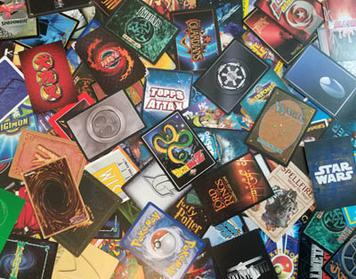
I watched a video by Dzeeff about 5 years ago, Why is Pot of Greed Banned?, and learned something basic and simple about trading card game design. I watched his other “Why does nobody play” videos and realized that the card game community has this same type of mechanical analysis for their games as competitive video game players do for theirs. Since then I’ve gone down a rabbithole of other content and Yu-Gi-Oh Master Duel has given me a jumping off point to get back into Yu-Gi-Oh. More recently I’ve gotten into magic through MTG Arena, and played half a dozen other card games, including: Digimon, Teppen, Hearthstone, Legends of Runeterra, Shadowverse, Marvel Snap, Inscryption, Slay the Spire, and Flesh & Blood.
Along the way, I’ve also found tabletop game design channels, like Cogito Design, and they also speak really discretely and precisely about game mechanics. Similarly I’ve gone through the MTG fandom wiki, and seen a lot of the way MTG views their own game. Their list of evergreen keywords is very elementary, fundamental, basic, in a way I’d expect most designers to gloss over or take for granted. Some other helpful resources I’ve found include: Kohdok, TheDuelLogs, Draw 5 Move 5, and a bunch of others, including GDC talks from MTG and Hearthstone Designers.
Also, I’ve found that a lot of what I’ve been looking for in RPGs is present in card games. I’ve sometimes remarked that RPGs are about deck building, because of how you choose team members, their skills, and their stats, and card games have shown me how true that can be, especially Slay the Spire and Flesh & Blood.
I’ve been playing more of Cosmic Star Heroine as well, and have seen how standard turn based RPG combat can be made more tactical, but you play that game with very rigid predetermined characters and don’t have an amazing amount of customization, which is fine. It’s nice that Zeboyd Games keeps making such straightforward no-nonsense RPGs. I still want to see someone expand beyond the proof of concept, and card games definitely show some means.
I believe that tabletop game designers (and especially card game designers) have this more grounded view of game design because they work more directly with the game mechanics than video game developers. Video game development is a highly multidisciplinary endeavor. On top of that, competitive game design forces developers and players to consider the raw mechanics more, because the raw mechanics decide who wins and who loses.
My blog isn’t going to become a tabletop blog, but I’m definitely going to be writing some card game design articles based on what I’ve picked up.
Also, I’ve been designing my own card game, which you might have seen already if you’re in my discord. I’ve conducted my first playtest, and it went spectacularly. The core idea of my game works great, and I made a lot of understandable balance mistakes. I’ll likely be posting the second playtest print & play here, but in the meantime, here’s a look at my playmat (monsters can move around, and effect cards spread their effect down the row):

 Celia Wagar's CritPoints
I think it’s great to see you branch out! Good luck with making your own. I remember when I was younger I’d try to make card games without knowing how one was actually played lmao.
Everything I’ve ever wrote about games comes from the same place your writing seems to. Your writing was always a breath of fresh air. I often noticed that when people talking about game design they had massive tunnel vision. Asif Outdoors/Sports, Mechanical and Tabletop games weren’t games. Asif games and play hadn’t existed since the dawn of time. If you want to make a good video game, try starting by understanding what makes a good game, then look at the strengths and weaknesses of videogames and capitalize on on them. You make a good point that these designers are more directly involved with their mechanics as it’s not interdisciplinary. Plus there’s a longer history of more author driven games rather than the more community made traditional ones. Whenever I see hobbyist European Tabletop games in stores here you can see the name of the designer right on the box, treated like an auteur.
LikeLike